
5th Edition of World Nursing Research Conference 2026
Speakers - WNRC2026
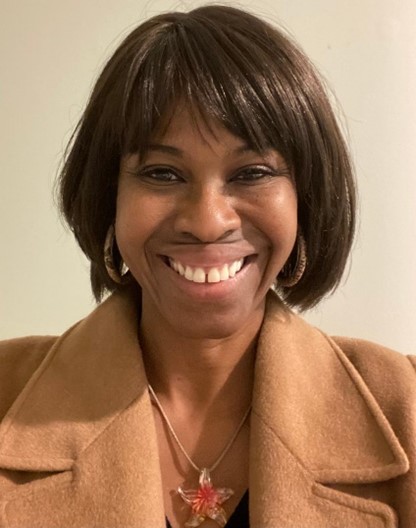
Nonye Tochi Aghanya
Nonye Tochi Aghanya
- Designation: Pace University
- Country: USA
- Title: Maintaining a Balanced Patient Centered Communication in The Era Of Rapid Digital Transformation
Abstract
In recent years, the clinical consultation process has experienced a significant transformation. Digital health resources now guide patients who enter medical visits, bringing AI-generated assessments, captured online search findings, and personal narratives formed through AI symptom checkers and social media health circles. Digitally active patients now routinely use ChatGPT and Google's Med-PaLM alongside specialized symptom-checking apps such as Ada and WebMD before their medical appointments. Although these digital tools provide open access to health information, they also create a new form of digital conditioning which transforms diagnostic interactions and the patient-clinician dialogue process.
The advancement of generative AI technologies along with large language models (LLMs) has quickened this change beginning in 2022. Research shows that patients are utilizing AI-generated responses more frequently for health guidance and decision-making with insufficient context and clinical oversight. Previous studies also show that AI-based chatbots deliver believable and empathetic responses, but they fail to maintain consistent diagnostic accuracy and contextual judgment in complex or ambiguous cases
At the heart of every clinical encounter lies a silent but consequential question: Which aspects of verbal communication influence the healing process for patients? Modern health care systems marked by strict protocols and time limitations alongside automation tend to overlook the ethical and therapeutic importance of clinician-patient communication.
Effective communication is essential for diagnosis and relationship building while serving as an epistemic tool through guides for patients and clinicians that address patient engagement types and methods for reducing anxiety and building relational trust. This presentation highlights the concept of "therapeutic dialogue" as an organized clinical approach through the integration of narrative medicine with biopsychosocial ethics and fear cognition theory. The primary aim extends beyond bedside manner enhancement to reestablish clinicians as transformative agents through the implementation of attentive listening and the healing use of language combined with their presence.
Presenting material is derived from the presenter’s clinical practice experiences in diverse healthcare settings for over 33 years. This also includes her review of studies on human psychological traits and the analysis of their influence on patient behaviour. Her expansion of existing healthcare communication models (e.g. SBAR, Calgary Cambridge, Motivational Interview), to highlight features of the Therapeutic Dialogue Framework communication model, is an additional step to help improve relational sensitivity during clinical encounters and thus promote more trusting patient-clinician relationships.
Keywords: Clinical communication, Therapeutic dialogue, Narrative medicine, Biopsychosocial care, Fear cognition, Patient trust
The 5th Edition of the World Nursing Research Conference (WNRC) 2026 will ...
Read More>>
Organizer
